The Ultimate Guide to SEO Strategy Development: 6 Essential Resources and Tools for 2025
SEO strategy development is the systematic process of planning, implementing, and optimizing content and technical elements to improve a website’s visibility in search engine results, involving keyword research, content planning, technical optimization, and performance measurement to achieve sustainable organic growth.
In today’s competitive digital landscape, developing an effective SEO strategy has become more complex and critical than ever before. With search algorithms constantly evolving, AI-powered search experiences emerging, and user expectations shifting, businesses can no longer rely on ad-hoc optimization tactics. A comprehensive SEO strategy development approach requires a systematic methodology that encompasses content planning, technical optimization, keyword targeting, and continuous performance analysis.
The challenge for most marketing teams and business owners isn’t recognizing the importance of SEO—it’s knowing where to start and which resources will actually deliver results. Between competing methodologies, conflicting advice, and an overwhelming array of tools, the path to search visibility can feel impossibly complex. This guide cuts through the noise by presenting six essential resources and platforms that represent the most effective approaches to SEO strategy development in 2025.
Whether you’re building your first SEO strategy from scratch, updating an existing approach to align with modern search trends, or looking for tools to streamline your content planning process, this comprehensive listicle provides the strategic frameworks, authoritative guidance, and actionable platforms you need to succeed. Each resource has been carefully selected based on its proven effectiveness, unique value proposition, and practical applicability to real-world SEO challenges.
1. BlogShoot - Automated Content Strategy Platform

BlogShoot revolutionizes SEO strategy development by delivering comprehensive, data-driven content themes that enable marketers and agencies to build topical authority systematically. Unlike traditional content planning approaches that require extensive manual research and analysis, BlogShoot’s automated platform generates weekly theme packs that strategically map content clusters, ensuring coherent and search-engine-optimized editorial calendars. This innovative approach addresses one of the most time-consuming aspects of SEO strategy development: identifying interconnected content opportunities that signal expertise to search algorithms.
Key Features:
-
Automated Weekly Theme Packs: Receive curated content themes each week that align with emerging search trends and seasonal opportunities, eliminating the need for constant manual research and trend monitoring.
-
Strategic Content Cluster Mapping: The platform automatically identifies and recommends interconnected topic clusters that build topical authority, helping search engines recognize your domain as an authoritative resource in your niche.
-
Cost Reduction Technology: Achieve up to 70% cost savings compared to traditional manual research methods, making sophisticated SEO strategy accessible for businesses of all sizes without sacrificing quality or comprehensiveness.
-
Content Gap Analysis: BlogShoot’s algorithm analyzes current search landscapes to identify opportunities your competitors are missing, recommending themes that enhance domain authority while addressing underserved search intents.
What sets BlogShoot apart in the SEO strategy development landscape is its ability to transform complex content planning into actionable, weekly blueprints. While other resources provide general guidance or require significant manual implementation, BlogShoot delivers precision-targeted themes that marketing teams can immediately execute. The platform excels at maintaining the delicate balance between search optimization and content quality, ensuring that recommended themes serve both algorithmic requirements and genuine user needs.
Best For: BlogShoot is ideal for marketing teams at B2B tech companies developing thought leadership content, startup founders who need sophisticated SEO without large research budgets, digital agencies managing multiple client content calendars, and e-commerce brands expanding organic reach through strategic content marketing. The platform particularly shines for organizations that understand the value of topical authority but lack the resources to conduct continuous market research and trend analysis.
Visit: https://blogshoot.com
2. Google SEO Starter Guide - Official Search Engine Documentation
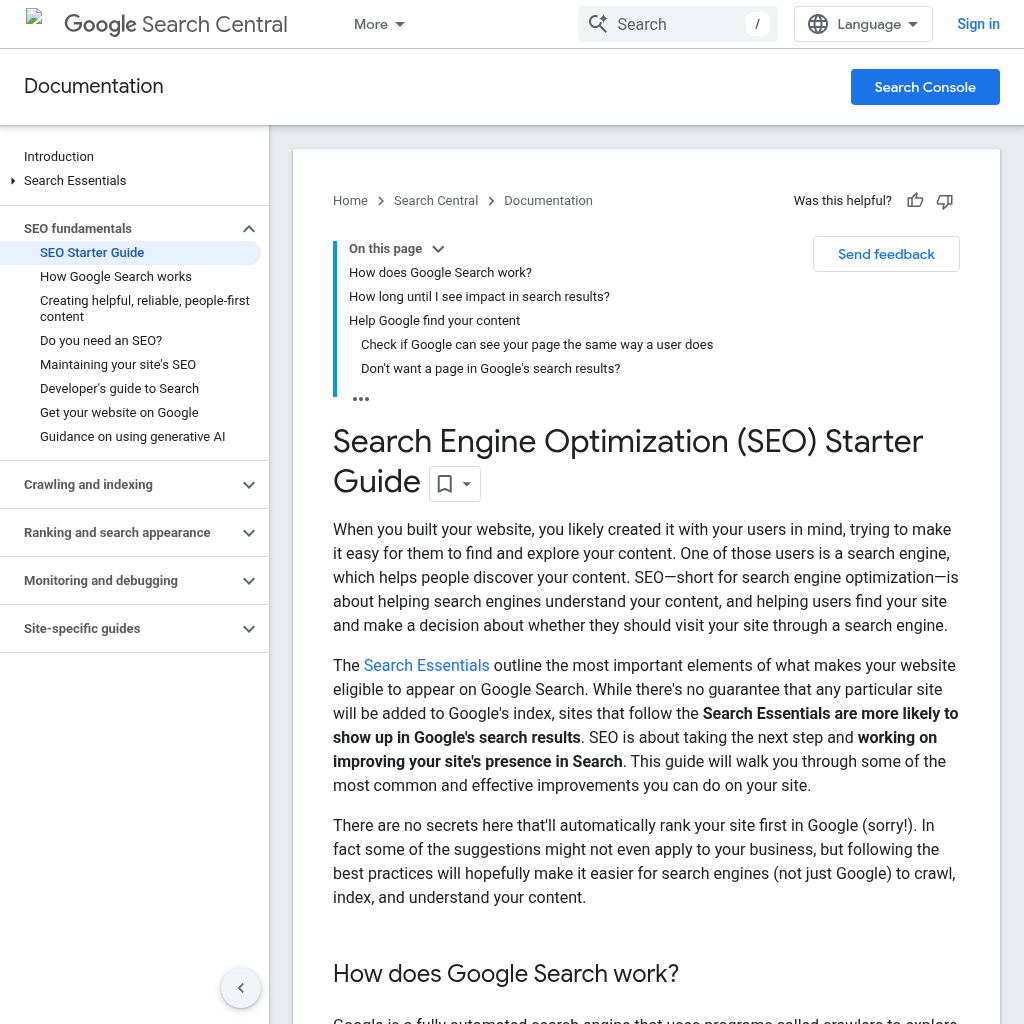
Google’s SEO Starter Guide represents the most authoritative resource for developing a robust SEO strategy, offering definitive insights directly from the world’s dominant search engine. As the official documentation from Google Search Central, this comprehensive resource provides website owners, marketers, and developers with verified guidelines on optimizing web content for improved search visibility. The guide covers fundamental techniques for enhancing website structure, content quality, and technical SEO elements, making it an indispensable reference for anyone looking to develop a comprehensive and effective SEO approach that aligns with Google’s actual ranking factors rather than speculation.
Key Features:
-
Authoritative Search Engine Guidance: Every recommendation comes directly from Google’s search quality team, eliminating guesswork about what actually influences rankings and ensuring your strategy aligns with confirmed ranking factors.
-
Comprehensive Foundation Coverage: The guide addresses essential SEO elements including site structure, mobile optimization, metadata implementation, and content quality standards that form the backbone of any effective strategy.
-
Technical and Content Integration: Unlike resources that focus exclusively on either technical or content aspects, the Starter Guide demonstrates how these elements interconnect to create holistic search optimization.
The primary strength of Google’s SEO Starter Guide lies in its credibility and comprehensiveness. While third-party SEO resources often contain speculation or outdated practices, this guide reflects Google’s actual priorities and evaluation criteria. It provides the foundational knowledge necessary for making informed decisions about SEO strategy development, covering everything from how Google discovers and indexes content to how it evaluates page quality and user experience. The guide also addresses common misconceptions, helping businesses avoid wasting resources on ineffective tactics.
Best For: The Google SEO Starter Guide is essential for businesses building their first SEO strategy who need verified, foundational knowledge; web developers implementing technical SEO requirements; marketing teams establishing internal SEO standards and best practices; and anyone seeking to understand Google’s perspective on search optimization. It’s particularly valuable for organizations that want to ensure their SEO strategy rests on confirmed principles rather than industry speculation or outdated practices.
3. Backlinko SEO Strategy Guide - Modern Optimization Framework
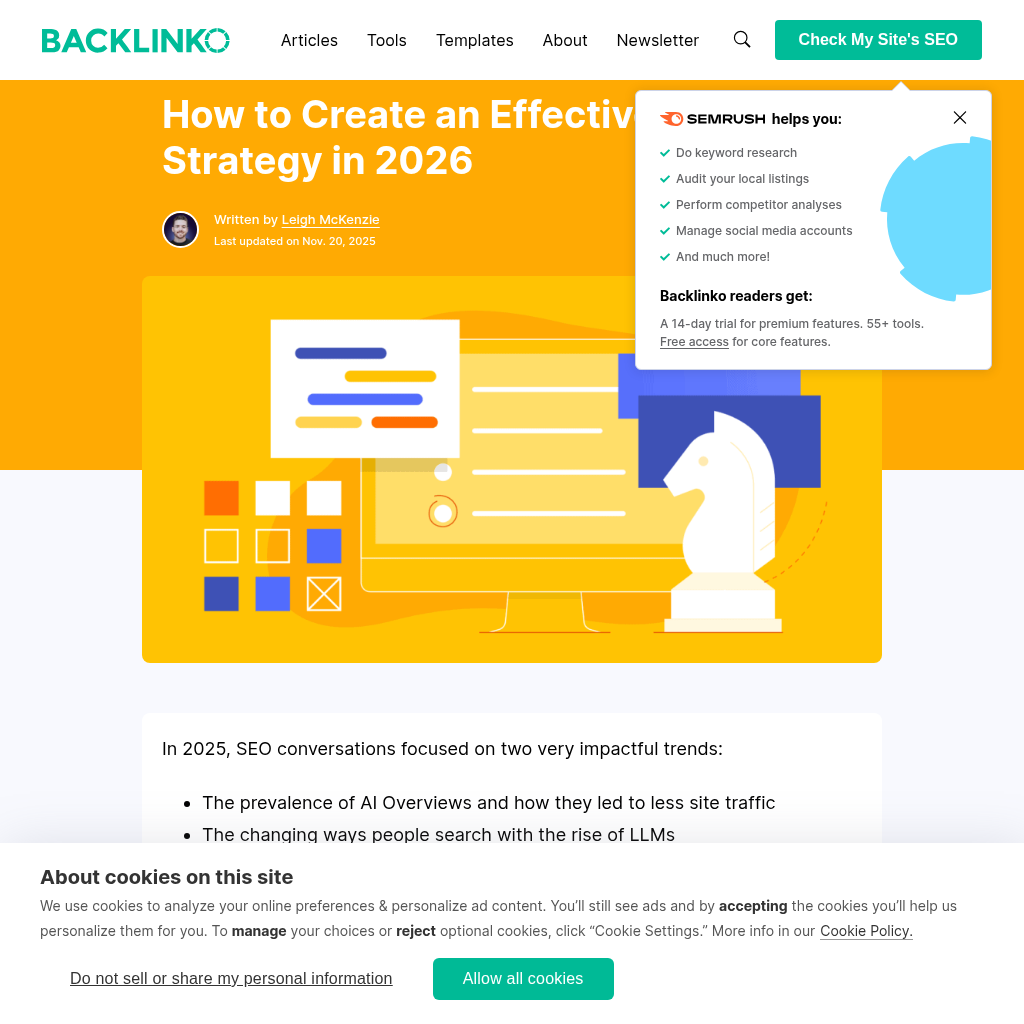
Backlinko’s SEO Strategy Guide offers a definitive, contemporary approach to developing effective search engine optimization strategies for the modern digital landscape. Created by renowned SEO thought leader Brian Dean, this resource targets digital marketers and business owners who need systematic methods for improving online visibility in an increasingly competitive environment. The guide breaks down complex SEO concepts into actionable steps while incorporating emerging trends like AI search optimization, voice search considerations, and entity-based SEO that reflect how search engines have evolved beyond simple keyword matching.
Key Features:
-
2025-Updated Strategic Framework: The guide reflects current search engine algorithms and user behavior patterns, incorporating recent developments in AI-powered search, Google’s helpful content updates, and experience-based ranking factors that older resources overlook.
-
Step-by-Step Implementation Process: Rather than providing theoretical knowledge alone, Backlinko’s approach offers specific, sequential actions that marketing teams can follow to build and execute comprehensive SEO strategies from initial research through performance measurement.
-
Data-Driven Methodology: The guide emphasizes measurable tactics backed by case studies and real-world results, helping marketers prioritize efforts that deliver actual ranking improvements rather than vanity metrics.
What distinguishes Backlinko’s approach to SEO strategy development is its focus on modern search realities. While foundational SEO principles remain important, this guide addresses how search engines now evaluate expertise, authoritativeness, and trustworthiness (E-A-T), how to optimize for featured snippets and zero-click searches, and how to build content strategies that satisfy both traditional search engines and emerging AI-powered answer engines. The resource combines strategic thinking with tactical execution, making it particularly valuable for teams that need to demonstrate tangible results from their SEO investments.
Best For: Digital marketing professionals who manage comprehensive search strategies, business owners developing their first systematic SEO approach, marketing teams updating strategies to reflect current search algorithm priorities, and agencies that need frameworks for client SEO programs. The guide particularly benefits organizations that have attempted SEO previously but need a more structured, modern methodology to achieve better results in today’s competitive search environment.
4. HubSpot SEO Strategy Guide - Template-Based Planning Resource
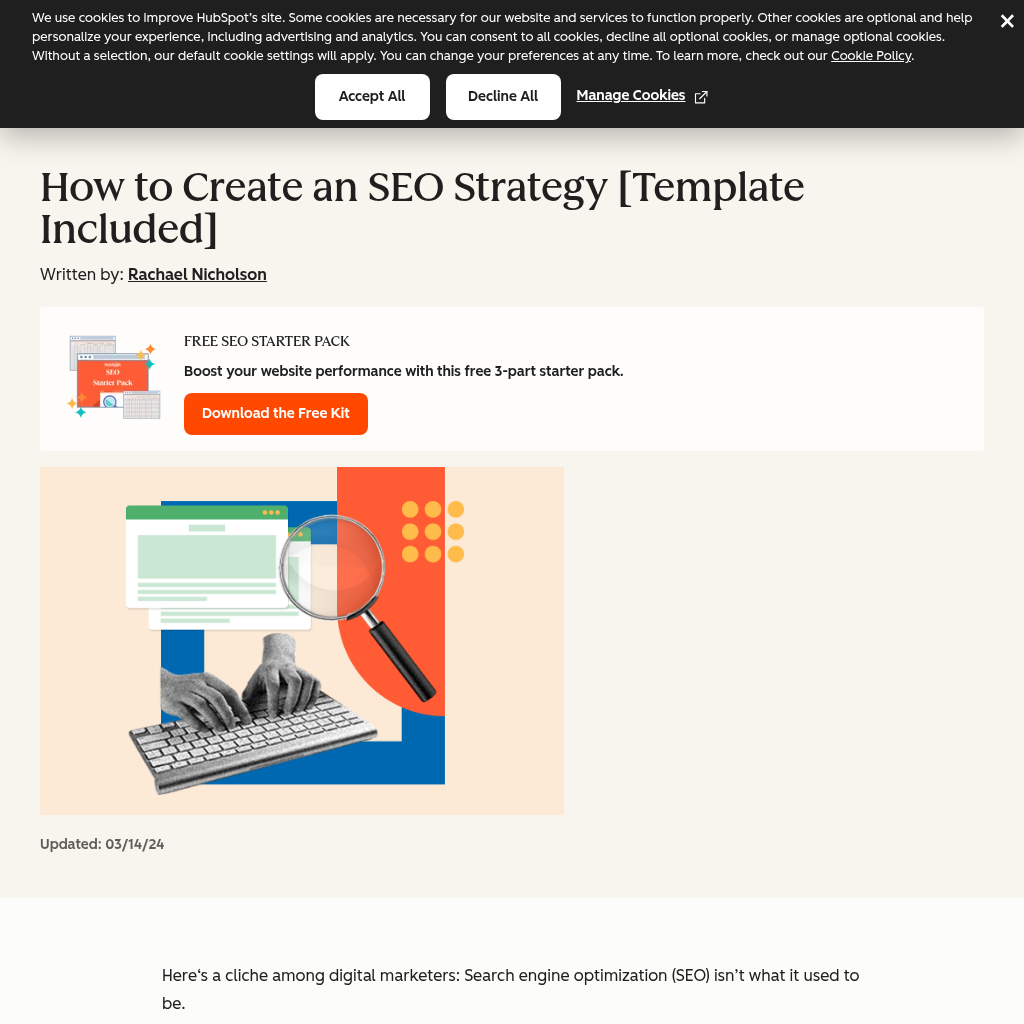
HubSpot’s SEO Strategy Guide provides a comprehensive, template-driven approach to developing and implementing effective search engine optimization strategies. Leveraging HubSpot’s extensive marketing expertise, this resource offers structured methodologies that help marketing professionals create documented SEO plans rather than relying on informal, ad-hoc optimization efforts. The guide covers critical aspects of modern SEO strategy including keyword research frameworks, content planning calendars, technical optimization checklists, and performance tracking systems, all designed to help businesses establish repeatable processes for sustained search visibility improvement.
Key Features:
-
Downloadable Strategy Template: HubSpot provides ready-to-use templates that structure the SEO planning process, helping teams document objectives, tactics, timelines, and responsibilities in a format that facilitates organizational alignment and accountability.
-
Integrated Marketing Approach: The guide demonstrates how SEO strategy connects with broader content marketing, social media, and lead generation initiatives, ensuring search optimization supports overall business objectives rather than existing in isolation.
-
Comprehensive Planning Framework: From initial competitive analysis through ongoing performance optimization, the resource covers the complete SEO strategy lifecycle with specific guidance for each phase of development and implementation.
The strength of HubSpot’s SEO Strategy Guide lies in its practical, implementation-focused approach. While many resources provide theoretical knowledge, HubSpot’s guide addresses the organizational and process challenges that often prevent effective SEO execution. It helps marketing teams secure internal buy-in for SEO investments, establish realistic timelines and expectations, and create documentation that ensures strategy continuity even when team members change. The template-based approach is particularly valuable for organizations that understand SEO’s importance but struggle with transforming that understanding into consistent, coordinated action.
Best For: Marketing teams at small to medium-sized businesses who need structured planning frameworks, digital marketing professionals developing their first documented SEO strategy, organizations that need to align SEO with broader marketing initiatives, and teams that struggle with consistent SEO execution despite understanding best practices. The guide is especially useful for businesses using HubSpot’s marketing platform, as the strategies integrate seamlessly with HubSpot’s tools, though the frameworks are valuable regardless of technology stack.
5. Siteimprove SEO Content Strategy Guide - Creator-Focused Optimization
Siteimprove offers a creator-focused guide to developing effective SEO content strategies that bridges the gap between optimization requirements and quality content creation. This resource targets businesses and content creators seeking to improve digital presence through content that satisfies both search engines and human readers. By addressing strategic content planning, editorial workflows, and optimization techniques, the guide helps organizations create more discoverable, relevant, and impactful digital content. The resource appears to leverage AI-powered insights to enhance content performance recommendations, reflecting the industry’s evolution toward data-driven content strategy development.
Key Features:
-
Content-First SEO Framework: Unlike purely technical SEO resources, this guide prioritizes content quality and relevance while incorporating optimization best practices, helping creators produce material that genuinely serves user needs while achieving search visibility.
-
Strategic Content Planning Methodology: The resource provides systematic approaches to identifying content opportunities, mapping user journeys, and creating editorial calendars that address search intent across different stages of the customer decision process.
-
AI-Enhanced Content Recommendations: Leveraging Siteimprove’s technology platform, the guide likely incorporates data-driven insights about content performance, readability optimization, and search opportunity identification that help creators make informed decisions.
What makes Siteimprove’s approach particularly valuable is its recognition that effective SEO strategy development must balance algorithmic requirements with human engagement. The guide addresses how to create content that ranks well while actually converting visitors, how to structure information for both crawlers and readers, and how to measure content success beyond simple keyword rankings. This dual focus helps organizations avoid the common pitfall of producing technically optimized content that fails to engage audiences or drive business outcomes.
Best For: Content marketing teams developing comprehensive editorial strategies, digital publishers who need to balance content quality with search performance, organizations with large content libraries requiring optimization frameworks, and businesses seeking to improve existing content rather than starting from scratch. The guide is especially relevant for companies that recognize content as a strategic asset requiring systematic planning and continuous optimization rather than one-time creation.
6. SEO Prioritization Strategic Framework - Resource Allocation Methodology
The SEO Prioritization Strategic Framework from Xponent21 addresses one of the most challenging aspects of SEO strategy development: determining which optimization efforts to pursue and when. This framework provides a systematic approach to analyzing and ranking SEO initiatives based on potential impact, resource requirements, and strategic alignment. By offering a structured decision-making methodology, the framework helps businesses maximize the return on their search engine optimization resources, ensuring teams focus efforts on high-impact opportunities rather than spreading resources across too many simultaneous initiatives.
Key Features:
-
Impact-Effort Matrix Application: The framework provides methodologies for evaluating SEO opportunities based on expected ranking improvements and traffic gains relative to time, budget, and technical resources required for implementation.
-
Strategic Alignment Assessment: Beyond simple ROI calculations, the framework helps teams evaluate how potential SEO initiatives support broader business objectives, ensuring optimization efforts contribute to revenue goals rather than just traffic metrics.
-
Systematic Decision Framework: Rather than relying on intuition or the loudest voice in the room, the framework establishes objective criteria for comparing diverse SEO opportunities—from technical fixes to content creation to link building—enabling data-driven prioritization.
The critical value of this prioritization framework lies in its recognition that most organizations face constrained resources for SEO implementation. While many guides explain what should be done for effective SEO, few address the practical reality that businesses must choose among competing priorities. This framework helps marketing teams avoid common pitfalls like pursuing quick wins that don’t support long-term strategy, investing heavily in low-impact optimizations, or attempting too many simultaneous initiatives that result in incomplete execution. By providing structured prioritization methodology, it enables more strategic resource allocation and better results from limited budgets.
Best For: Digital marketing leaders managing SEO budgets and team allocations, organizations with extensive technical SEO backlogs requiring prioritization, agencies that need frameworks for recommending client priorities, and businesses transitioning from ad-hoc SEO to strategic programs. The framework is particularly valuable for companies that understand SEO’s importance but struggle with determining where to focus limited resources for maximum impact, or organizations that need to justify SEO investments to stakeholders who demand clear prioritization rationale.
Conclusion: Building Your SEO Strategy Development Roadmap
Effective SEO strategy development in 2025 requires more than just understanding best practices—it demands systematic approaches, reliable resources, and often, specialized tools that transform complex optimization challenges into manageable, actionable plans. The six resources presented in this guide represent different but complementary approaches to building search visibility, from foundational knowledge and strategic frameworks to implementation templates and automated planning platforms.
For most organizations, the optimal approach combines multiple resources rather than relying on a single source. Start with authoritative foundations like Google’s SEO Starter Guide to understand verified ranking factors, then apply modern frameworks from resources like Backlinko or HubSpot to structure your approach. Use prioritization methodologies to focus limited resources on high-impact opportunities, and leverage content-focused guidance to ensure optimization serves genuine user needs alongside algorithmic requirements.
For teams seeking to accelerate their SEO strategy development while reducing research overhead, platforms like BlogShoot offer compelling advantages. By automating the time-consuming aspects of content theme identification and cluster mapping, such tools enable smaller teams to execute sophisticated strategies that previously required extensive resources. The key is matching your resource selection to your organization’s specific context—your team’s expertise level, available budget, competitive landscape, and strategic objectives.
Your Next Steps:
-
Assess your current state: Evaluate your existing SEO efforts to identify specific gaps—whether in technical optimization, content strategy, or execution consistency—that need addressing.
-
Define clear objectives: Establish specific, measurable goals for your SEO strategy that align with broader business outcomes, moving beyond vanity metrics to focus on conversions and revenue impact.
-
Select your primary resources: Choose 2-3 resources from this list that best address your identified gaps and match your team’s learning preferences and implementation capacity.
-
Create your implementation timeline: Develop a realistic schedule for strategy development and execution, recognizing that effective SEO requires sustained effort rather than quick fixes.
-
Establish measurement frameworks: Define how you’ll track progress and measure success, ensuring you can demonstrate value and refine your approach based on actual results.
Remember that SEO strategy development is not a one-time project but an ongoing process of analysis, implementation, measurement, and refinement. The resources outlined in this guide provide the frameworks and knowledge you need to build that continuous improvement cycle, but ultimate success depends on consistent execution and willingness to adapt as search algorithms, user behaviors, and competitive landscapes evolve. Start with solid foundations, leverage proven methodologies, and invest in tools that maximize your team’s productivity—your improved search visibility and organic growth will follow.